
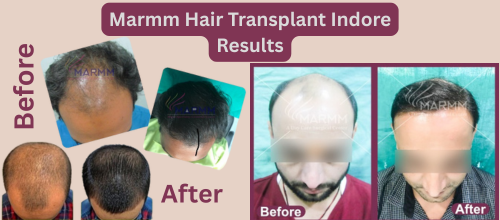
Hair loss affects millions of people worldwide, impacting confidence and self-image. Fortunately, modern hair transplant technology has advanced significantly, offering natural-looking, permanent solutions for hair restoration. Whether you’re just beginning to notice thinning hair or you’ve been dealing with hair loss for years, understanding your options is the first step toward regaining your confidence.
In this comprehensive guide, we’ll walk you through everything you need to know about hair transplants in 2026—from the different techniques available to what you can expect during and after the procedure.
What Is a Hair Transplant?
A hair transplant is a surgical procedure that moves hair follicles from one part of your body (typically the back or sides of your head, known as the donor area) to areas experiencing hair loss or thinning (the recipient area). Unlike temporary solutions such as wigs or topical treatments, hair transplants provide permanent results because the transplanted hair follicles are genetically resistant to balding.
The procedure has evolved dramatically over the past few decades. Gone are the days of obvious “hair plugs” that looked unnatural. Today’s advanced techniques create results so natural that even your hairstylist won’t be able to tell you’ve had work done.
Types of Hair Transplant Procedures
There are two primary hair transplant techniques used today, each with its own advantages:
Follicular Unit Extraction (FUE)
FUE is currently the most popular hair transplant method worldwide. During this procedure, individual hair follicles are extracted one by one from the donor area using a tiny punch tool (typically 0.8-1.0mm in diameter). These follicles are then carefully implanted into the recipient area.
Advantages of FUE:
- No linear scar—only tiny, virtually invisible dot scars
- Faster recovery time (typically 3-5 days)
- Less post-operative discomfort
- Ability to wear your hair very short without visible scarring
- Can harvest hair from other body areas if needed (beard, chest)
Considerations:
- Generally more expensive than FUT
- Requires shaving the donor area
- May take longer to complete (6-8 hours for larger sessions)
Follicular Unit Transplantation (FUT)
Also known as the strip method, FUT involves removing a strip of scalp from the donor area, dissecting it into individual follicular units under a microscope, and then implanting these grafts into the recipient area. The donor area is then closed with sutures, leaving a thin linear scar that can be concealed by surrounding hair.
Advantages of FUT:
- Typically less expensive than FUE
- Can harvest more grafts in a single session
- No need to shave the donor area
- Often shorter procedure time
Considerations:
- Leaves a linear scar (though typically well-hidden by hair)
- Slightly longer recovery period (7-10 days)
- More post-operative tightness in the donor area
The Hair Transplant Procedure: Step by Step
Understanding what happens during your procedure can help ease any anxiety. Here’s what you can typically expect:
- Consultation and Planning
Before your procedure, you’ll have a detailed consultation with your surgeon. They’ll assess your hair loss pattern, discuss your goals, examine your donor area, and create a customized treatment plan. This is also when your hairline design will be carefully planned to ensure natural-looking results that complement your facial features.
- Preparation
On the day of your procedure, the treatment area will be photographed and marked. Your donor and recipient areas will be cleaned and prepared. Local anesthesia will be administered to ensure you’re comfortable throughout the procedure—most patients report feeling minimal to no discomfort.
- Graft Harvesting
Depending on your chosen method (FUE or FUT), your surgeon will carefully extract follicular units from your donor area. These grafts are then sorted and prepared by a specialized team while being kept in a holding solution to ensure optimal survival.
- Recipient Site Creation
Your surgeon will create tiny incisions in the recipient area, paying careful attention to the angle, direction, and distribution of each site to achieve the most natural-looking results. The artistry in this step is what separates excellent results from mediocre ones.
- Graft Placement
Each follicular unit is meticulously placed into the prepared sites. Single-hair grafts are typically used at the hairline for a soft, natural appearance, while larger grafts provide density behind. This process requires extreme precision and can take several hours.
- Post-Operative Care Instructions
Before you leave, you’ll receive detailed instructions on caring for your transplanted area, including how to sleep, wash your hair, and what activities to avoid. You’ll also be prescribed medications to prevent infection and manage any discomfort.
Recovery and Results Timeline
One of the most common questions patients ask is: when will I see results? Here’s a realistic timeline:
Days 1-5: The transplanted area will be red and may have some crusting. The donor area might feel tight or tender. Most people can return to desk work after 3-5 days.
Weeks 2-3: The transplanted hairs will begin to shed—this is completely normal and expected. This “shock loss” is a natural part of the hair growth cycle.
Months 3-4: New hair growth begins. The initial growth may be fine and wispy, but it will gradually thicken over time.
Months 6-9: Approximately 60-70% of your final results become visible. The hair continues to thicken and mature.
Month 12: Most patients see their final results around the one-year mark. Some may continue to see improvement up to 18 months post-procedure.
Who Is a Good Candidate for Hair Transplant?
While hair transplants can be transformative, they’re not suitable for everyone. Ideal candidates typically:
- Have sufficient donor hair in the back and sides of the scalp
- Have realistic expectations about results
- Are in good general health
- Have stable hair loss (not rapidly progressing)
- Are typically over 25 years old (younger patients may continue to lose hair)
Hair transplants can work well for both men and women, though the patterns and causes of hair loss may differ. Women often experience diffuse thinning rather than distinct bald spots, which may require different approaches.
Cost Considerations in 2026
The cost of a hair transplant varies widely depending on several factors:
- Number of grafts needed: More extensive hair loss requires more grafts, increasing the cost
- Technique used: FUE is generally more expensive than FUT
- Surgeon’s experience: Highly skilled surgeons with proven track records typically charge more
- Geographic location: Prices vary by region and country
In the United States in 2026, expect to pay anywhere from $4,000 to $15,000 or more for a quality hair transplant. While this might seem expensive, remember that hair transplants provide permanent results—unlike temporary solutions that require ongoing expenses.
Important: Be cautious of extremely low prices. Quality hair transplants require significant expertise, time, and resources. Choosing a surgeon based solely on cost can lead to disappointing or even disastrous results.
Choosing the Right Surgeon and Clinic
Your choice of surgeon is perhaps the most critical decision you’ll make. Here’s what to look for:
Board Certification: Ensure your surgeon is board-certified in hair restoration surgery or a related field.
Experience: Ask how many procedures they’ve performed and request before-and-after photos of actual patients.
Patient Reviews: Read reviews from multiple sources, paying attention to both positive and negative feedback.
Consultation Quality: A reputable surgeon will spend adequate time during consultation, explain all options honestly, and never pressure you into a decision.
Facility Standards: The clinic should be clean, modern, and properly equipped with the latest technology.
What Makes 2026 Different?
Hair transplant technology continues to evolve. In 2026, several innovations are making procedures more effective and comfortable:
Robotic-Assisted FUE: AI-powered robots can now assist with graft harvesting, improving precision and consistency while reducing procedure time.
Enhanced Growth Factor Treatments: PRP (Platelet-Rich Plasma) and other regenerative therapies are being used alongside transplants to improve graft survival and stimulate existing hair growth.
Improved Anesthesia Techniques: New pain management protocols make procedures even more comfortable than before.
Better Graft Storage Solutions: Advanced holding solutions increase graft survival rates and improve overall results.
Maintaining Your Results
While transplanted hair is permanent, remember that you can still lose non-transplanted hair. To maintain your results:
- Consider FDA-approved medications like finasteride or minoxidil to preserve existing hair
- Follow a healthy lifestyle with proper nutrition and stress management
- Protect your scalp from excessive sun exposure
- Attend regular follow-up appointments with your surgeon
- Be prepared for the possibility of future procedures as natural hair loss progresses
Final Thoughts
A hair transplant is a significant decision—both financially and emotionally. However, for many people dealing with hair loss, it’s a life-changing procedure that restores not just hair, but confidence and self-esteem.
The technology and techniques available in 2026 offer better, more natural-looking results than ever before. With proper research, realistic expectations, and the right surgical team, you can achieve the fuller head of hair you’ve been dreaming of.
If you’re considering a hair transplant, the first step is scheduling a consultation with a qualified hair restoration surgeon. They can evaluate your specific situation, discuss your options, and help you determine whether a hair transplant is right for you.
At MARMM, our experienced team of hair restoration specialists is dedicated to helping you achieve natural-looking, lasting results. We combine cutting-edge technology with artistic expertise to create personalized treatment plans that address your unique needs and goals.
Ready to take the next step? Visit https://marmm.com/ to schedule your consultation today and discover how we can help you restore your hair and confidence.